what is web hosting and types of web hosting
Web hosting is a service that allows individuals and organizations to make their websites accessible on the internet.

A web hosting service provides the technologies and services needed for a website to be viewed on the internet. Essentially, it’s like renting space on the internet to store your website’s files.
There are various types of web hosting available, each catering to different needs and requirements. Understanding these options is crucial for choosing the right hosting for your website.
Also Read



Key Takeaways
- Web hosting is a service that makes websites accessible online.
- Different types of web hosting cater to various website needs.
- Choosing the right web hosting type is crucial for website performance.
- Web hosting services provide necessary technologies for website visibility.
- Understanding web hosting options helps in making informed decisions.
Understanding Web Hosting
Web hosting is a fundamental service that allows individuals and organizations to make their websites accessible on the internet. It is a crucial aspect of establishing an online presence.
Definition and Basic Concepts
Web hosting refers to the service of storing and managing website files on servers that are accessible via the internet. Essentially, it allows your website to be visible to the public.
The basic concepts of web hosting involve understanding the types of hosting available, such as shared, VPS, and dedicated hosting, each catering to different needs and scales of website operations.

How Web Hosting Works
Web hosting works by storing your website’s files on powerful computers known as servers. When a user types your website’s URL into their browser, their computer connects to your server, and your website’s files are delivered to their browser, making your site visible.
The efficiency and speed of this process depend on the quality of the web hosting service, including factors like server uptime, bandwidth, and customer support.
The Relationship Between Domains and Web Hosting
Domain names and web hosting are two interdependent components that make a website accessible on the internet. To have a fully functional website, you need both a domain name and a web hosting service.
What is a Domain Name?
A domain name is the address of your website that users type into their browser to access your site. It’s a unique identifier that distinguishes your website from others on the internet. For example, “example.com” is a domain name.
Choosing the right domain name is crucial as it reflects your brand identity and can impact your website’s visibility and credibility.
How Domains Connect to Web Hosting
Web hosting services store your website’s files, making them accessible to the public. When you enter your domain name into a browser, it directs you to the server where your website’s files are hosted.
The connection between your domain name and web hosting is established through DNS (Domain Name System) settings, which translate your domain name into the IP address of the server hosting your website.

| Component | Function |
| Domain Name | Serves as the address of your website |
| Web Hosting | Stores your website’s files |
| DNS Settings | Connects domain name to web hosting server |
Web Hosting and Types of Web Hosting: An Overview
Understanding the different types of web hosting is crucial for individuals and businesses looking to establish an online presence. With various hosting options available, each catering to different needs, it’s essential to comprehend the nuances of each type to make an informed decision.
The Importance of Choosing the Right Hosting Type
Selecting the appropriate web hosting type is vital because it directly impacts a website’s performance, security, and scalability. The right hosting type ensures that a website can handle its traffic efficiently, provide a good user experience, and adapt to growth.
For instance, a small business might require a different hosting solution compared to a large e-commerce site. Understanding these needs helps in choosing a hosting type that aligns with the website’s goals and expected traffic.
Key Factors That Differentiate Hosting Types
Several key factors differentiate one hosting type from another, including server resources, control and customization options, and scalability. These factors are crucial in determining which hosting type is best suited for a particular website.
| Hosting Type | Server Resources | Scalability | Control & Customization |
| Shared Hosting | Shared | Limited | Basic |
| VPS Hosting | Dedicated Portion | Moderate | Advanced |
| Dedicated Hosting | Dedicated | High | Full |
By understanding these differences, individuals and businesses can make informed decisions about their web hosting needs, ensuring their website is hosted on a platform that meets their specific requirements.
Shared Web Hosting
The concept of shared web hosting revolves around multiple websites sharing the same server and its resources, making it an economical choice. This type of hosting is particularly appealing to individuals and small businesses looking to establish an online presence without incurring significant costs.

How Shared Hosting Works
In shared web hosting, a single physical server is divided among multiple users. Each user has their own allocated space on the server, where they can host their websites. The hosting provider manages the server, handles maintenance, and ensures that the server is running smoothly.
Key aspects of shared hosting include:
- Multiple websites share the same server resources.
- Users have limited control over server settings.
- Hosting providers manage server maintenance and security.
Advantages and Limitations
Shared web hosting offers several advantages, including cost-effectiveness and ease of use. It’s an excellent option for those who are not tech-savvy, as the hosting provider handles the technical aspects. However, shared hosting also has its limitations, such as limited resources and potential security risks due to the shared environment.
| Advantages | Limitations |
| Cost-effective | Limited resources |
| Easy to manage | Potential security risks |
| Provider handles maintenance | Less control over server settings |
Ideal Use Cases for Shared Hosting
Shared web hosting is ideal for small to medium-sized websites, blogs, and personal websites. It’s also suitable for businesses that do not require a high level of customization or have limited traffic. For instance, a small business with a simple website can benefit from the affordability and ease of management that shared hosting offers.
Virtual Private Server (VPS) Hosting
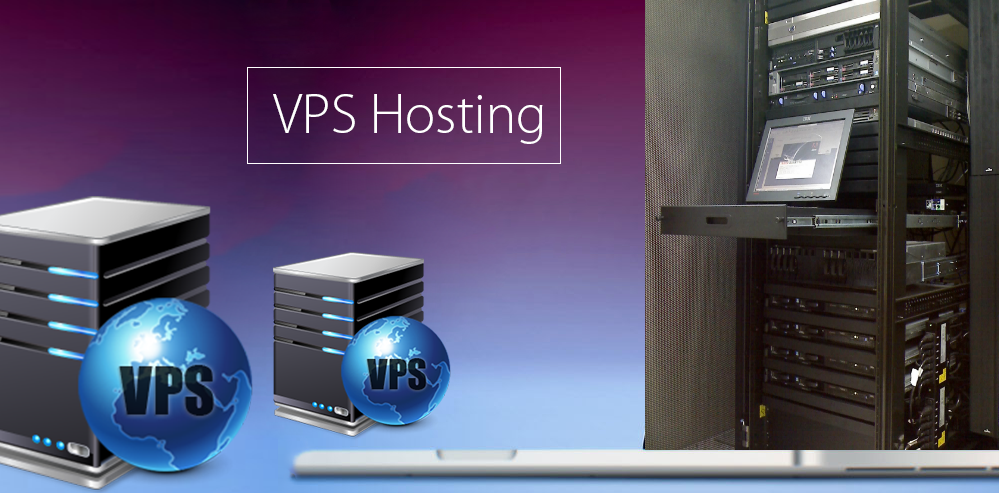
Virtual Private Server (VPS) hosting offers a balanced solution between shared and dedicated hosting, providing users with more control and flexibility. It is a type of web hosting that uses virtualization technology to provide a dedicated environment within a shared server.

Technical Aspects of VPS Hosting
VPS hosting involves the use of a physical server that is partitioned into multiple virtual servers, each with its own operating system and resources. This is achieved through virtualization technology, which ensures that each VPS is isolated from the others, providing a secure and stable environment.
The technical aspects of VPS hosting include the allocation of dedicated RAM and CPU resources, the ability to choose and configure the operating system, and the level of root access provided to the user. This level of control allows users to customize their hosting environment to meet specific needs.
Benefits and Drawbacks
VPS hosting offers several benefits, including improved security, increased control, and better performance compared to shared hosting. However, it also comes with some drawbacks, such as higher costs and the need for technical expertise to manage the server.
Key Benefits:
- Dedicated resources for improved performance
- Enhanced security due to isolation from other users
- Root access for full control over the server environment
- Scalability to upgrade resources as needed
Key Drawbacks:
- Higher cost compared to shared hosting
- Requires technical knowledge to manage
- Potential for complexity in setup and configuration
When to Choose VPS Hosting
VPS hosting is ideal for websites that have outgrown shared hosting but do not require the resources of a dedicated server. It is suitable for businesses with moderate traffic, e-commerce sites, and applications that require a high level of customization and control.
| Hosting Type | Ideal For | Key Features |
| Shared Hosting | Small blogs, personal websites | Cost-effective, easy to manage |
| VPS Hosting | Growing businesses, e-commerce sites | Dedicated resources, customizable, scalable |
| Dedicated Hosting | Large enterprises, high-traffic sites | Full control, high performance, high security |
As quoted by
“VPS hosting is a game-changer for businesses that need more than what shared hosting can offer but aren’t ready for the commitment of a dedicated server.”
, this hosting type bridges the gap between affordability and performance.
Dedicated Server Hosting
In the realm of web hosting, dedicated server hosting stands out for its ability to offer unparalleled control and security. This type of hosting is designed for businesses and organizations that require a high level of performance, reliability, and customization.
How Dedicated Hosting Functions
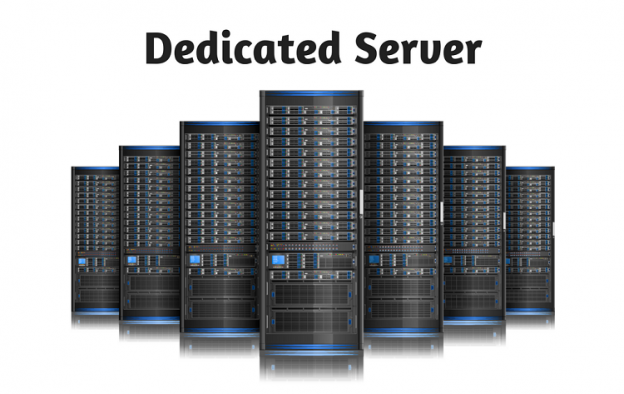
Dedicated server hosting involves leasing an entire server for a single user or organization. This means that all the server’s resources are dedicated to that user, providing maximum control over the server’s configuration and settings. The user has root access, allowing for customization to meet specific needs.
Pros and Cons of Dedicated Servers
The advantages of dedicated server hosting include enhanced performance, improved security, and greater flexibility. However, it also comes with higher costs and requires more technical expertise to manage effectively. Key benefits include:
- High performance due to dedicated resources
- Enhanced security features
- Customization options
On the other hand, the main drawbacks are the increased cost and the need for technical knowledge to manage the server.
Best Applications for Dedicated Hosting
Dedicated server hosting is ideal for large businesses, e-commerce sites, and applications that require high traffic handling and data security. It’s particularly suited for businesses that need customized server configurations and have the resources to manage a dedicated server.
Cloud Hosting Solutions
Cloud hosting is transforming the web hosting landscape with its on-demand resources. This modern approach to hosting has gained popularity due to its flexibility, scalability, and reliability.
The Technology Behind Cloud Hosting
Cloud hosting utilizes a network of virtual servers, which are drawn from a vast array of physical servers. This setup allows for scalability and flexibility, as resources can be dynamically allocated based on demand.
The technology is based on a distributed architecture, where multiple servers work together to provide a single service, ensuring high uptime and performance.
Advantages and Disadvantages
One of the main advantages of cloud hosting is its ability to scale resources on-demand, making it ideal for businesses with fluctuating traffic or those experiencing rapid growth.
- High scalability and flexibility
- Reliability and uptime
- On-demand resources
However, cloud hosting also has its drawbacks, including potential security concerns and the complexity of managing a cloud infrastructure.
Ideal Scenarios for Cloud Hosting
Cloud hosting is particularly suited for businesses that require high scalability and flexibility. It’s ideal for:
- Businesses with variable or unpredictable traffic
- Organizations experiencing rapid growth
- Applications that require high performance and reliability
As stated by a leading cloud hosting provider, “The cloud represents a new era in web hosting, offering businesses the agility and scale they need to succeed in a rapidly changing digital landscape.”
Managed vs. Unmanaged Hosting
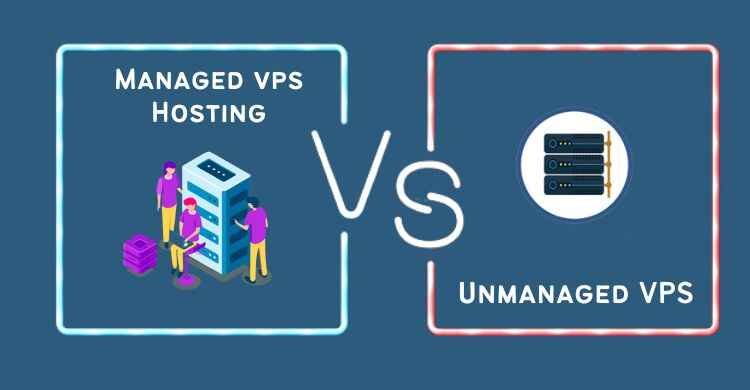
Understanding the difference between managed and unmanaged hosting is essential for selecting the right web hosting solution. The primary distinction lies in the level of management and maintenance provided by the hosting service.
What is Managed Hosting?
Managed hosting refers to a service where the hosting provider manages the servers, including maintenance, updates, and security. This type of hosting is ideal for individuals or businesses that lack the technical expertise or resources to manage their servers.
Key benefits of managed hosting include:
- Expert server management
- Enhanced security measures
- Regular software updates
What is Unmanaged Hosting?
Unmanaged hosting, on the other hand, gives users full control over their servers. The hosting provider supplies the infrastructure, but the user is responsible for server management, including security, updates, and troubleshooting.
Unmanaged hosting is suitable for:
- Experienced system administrators
- Businesses with specific server requirements
- Organizations that require high levels of customization
Specialized Hosting Types
Specialized hosting types have emerged to address the distinct needs of various websites and applications. These hosting solutions are tailored to provide specific features and benefits that cater to the unique requirements of different online platforms.
WordPress Hosting
WordPress hosting is optimized for websites built on the WordPress content management system. It typically includes features like one-click WordPress installations, performance enhancements, and WordPress-specific security measures. This type of hosting is ideal for bloggers, content creators, and businesses that rely on WordPress for their online presence.
E-commerce Hosting
E-commerce hosting is designed for online stores and websites that process transactions. It often includes features like SSL certificates, e-commerce platform support, and enhanced security measures to protect sensitive customer information. E-commerce hosting is crucial for businesses that operate online stores, ensuring a secure and reliable shopping experience.
Reseller Hosting
Reseller hosting allows individuals or businesses to purchase hosting resources and then resell them to their clients. This type of hosting is ideal for web designers, developers, and entrepreneurs who want to offer hosting services as part of their business packages. Reseller hosting typically includes white-label options and flexible resource allocation.
Colocation Hosting
Colocation hosting involves housing your own servers in a third-party data center. This option provides the benefits of a professional data center environment, including redundant power and cooling systems, high-speed connectivity, and robust security. Colocation hosting is suitable for businesses with significant infrastructure needs and those that require direct control over their servers.
Green Web Hosting
Green web hosting is an eco-friendly option that uses renewable energy sources to power data centers. This type of hosting appeals to environmentally conscious businesses and individuals. Green web hosting providers often use energy-efficient technologies and carbon offsetting to minimize their environmental impact.
How to Choose the Right Web Hosting for Your Needs
Understanding your website’s needs is the first step in choosing a suitable web hosting service. With various types of web hosting available, selecting the right one can be challenging without a clear understanding of your requirements.
Assessing Your Website Requirements
Begin by assessing your website’s specific needs. Consider the type of content you will host, expected traffic levels, and any special features you might require, such as e-commerce integration or multimedia support. For instance, a simple blog might be adequately supported by shared hosting, while an e-commerce site may require more robust solutions like dedicated hosting.
Budget Considerations
Budget plays a significant role in choosing a web hosting service. Different types of hosting come with varying price tags. It’s essential to balance your budget with the level of service and features you need. For example, if you’re just starting out, a cost-effective shared hosting plan might be suitable, whereas a business might need to invest in more expensive dedicated hosting for enhanced performance and security.
Scalability and Future Growth
Consider the scalability of your web hosting service. As your website grows, your hosting needs may change. Opt for a hosting provider that offers easy upgrades and flexible plans. Cloud hosting, for instance, is known for its scalability, allowing you to adjust resources according to your needs.
| Hosting Type | Scalability | Cost |
| Shared Hosting | Limited | Low |
| Dedicated Hosting | High | High |
| Cloud Hosting | Very High | Variable |
By carefully assessing your website’s requirements, considering your budget, and planning for scalability, you can make an informed decision when choosing a web hosting service.
Web Hosting Security and Performance Factors
The importance of robust security and high-performance capabilities in web hosting cannot be overstated. As websites become increasingly integral to businesses and personal endeavors, ensuring their security and accessibility is paramount.
Security Features to Look For
When evaluating web hosting services, it’s crucial to consider the security features they offer. SSL certificates are a fundamental aspect, providing encrypted connections between your website and its visitors. Additionally, look for hosts that offer regular backups, firewall protection, and malware scanning to safeguard your site against various threats.
Performance Metrics and Uptime Guarantees
Performance is another critical factor, with uptime guarantees being a key metric. A reliable web host should guarantee at least 99.9% uptime, ensuring your website is accessible to users at all times. Furthermore, consider the host’s infrastructure, such as the use of SSD storage and content delivery networks (CDNs), which can significantly enhance your site’s loading speeds.
Technical Support and Customer Service
Lastly, the quality of technical support and customer service provided by your web host is vital. Look for hosts that offer 24/7 support through multiple channels, such as live chat, phone, and email. This ensures that any issues you encounter can be promptly addressed, minimizing downtime and maintaining your website’s performance.
Conclusion
Choosing the right web hosting service is crucial for the success of your online presence. Throughout this article, we’ve explored what is web hosting and the various types of web hosting available.
From shared hosting to dedicated servers, and from managed to unmanaged hosting, each type has its advantages and is suited for different needs. Understanding these differences is key to making an informed decision.
When selecting a web hosting service, consider factors such as your website’s traffic, storage needs, and technical requirements. Also, think about scalability, security features, and customer support.
By carefully evaluating your options and understanding the different types of web hosting, you can choose a service that meets your needs and supports your online goals.
Ultimately, the right web hosting service will provide a solid foundation for your website, enabling it to perform optimally and grow with your business.
FAQ
What is web hosting, and do I need it for my website?
Web hosting is a service that allows individuals and organizations to post a website or web page on the internet. It is necessary for making your website accessible to the public. A web host provides the technology and services needed for the website or webpage to be viewed on the internet.
What is the difference between a domain and web hosting?
A domain is the address of your website (e.g., example.com), while web hosting is the service that stores your website’s files. You need both to have a functional website; the domain name is used to access your website, and web hosting is where your website’s files are stored.
What are the different types of web hosting available?
The main types of web hosting are shared hosting, virtual private server (VPS) hosting, dedicated server hosting, and cloud hosting. Each type has its own advantages and is suited for different needs and budgets.
What is shared web hosting, and is it suitable for my website?
Shared web hosting is a service where multiple websites are hosted on a single server, sharing its resources. It’s a cost-effective option and is suitable for small to medium-sized websites or those with moderate traffic.
How do I choose the right web hosting service for my needs?
To choose the right web hosting, consider your website’s requirements, such as storage space, bandwidth, and the type of content you host. Also, consider your budget, the level of technical support you need, and the scalability of the hosting service.
What is the importance of web hosting security?
Web hosting security is crucial for protecting your website from cyber threats, such as hacking and malware. A secure web hosting service will have various security measures in place, such as firewalls, malware scanning, and secure data centers.
Can I upgrade or change my web hosting plan as my website grows?
Yes, most web hosting providers allow you to upgrade or change your hosting plan as your website grows. This might involve moving from shared hosting to VPS or dedicated hosting, or switching to a different type of hosting that better suits your needs.
What is managed hosting, and how does it differ from unmanaged hosting?
Managed hosting is a service where the hosting provider manages the technical aspects of your hosting, such as server maintenance, security, and updates. Unmanaged hosting, on the other hand, requires you to handle these tasks yourself. Managed hosting is more convenient but may be more expensive.