Best time to eat dry fruit for weight loss
Best time to eat dry fruit here is now Incorporating dry fruits into your diet can be a nutritious and healthy choice for weight management. Dry fruits are rich in fiber, antioxidants, and essential nutrients that can help you feel fuller for longer and support your overall well-being.
Eating dry fruits at the right moment can enhance their benefits for weight loss. Understanding when to consume them can make a significant difference in your weight loss journey.
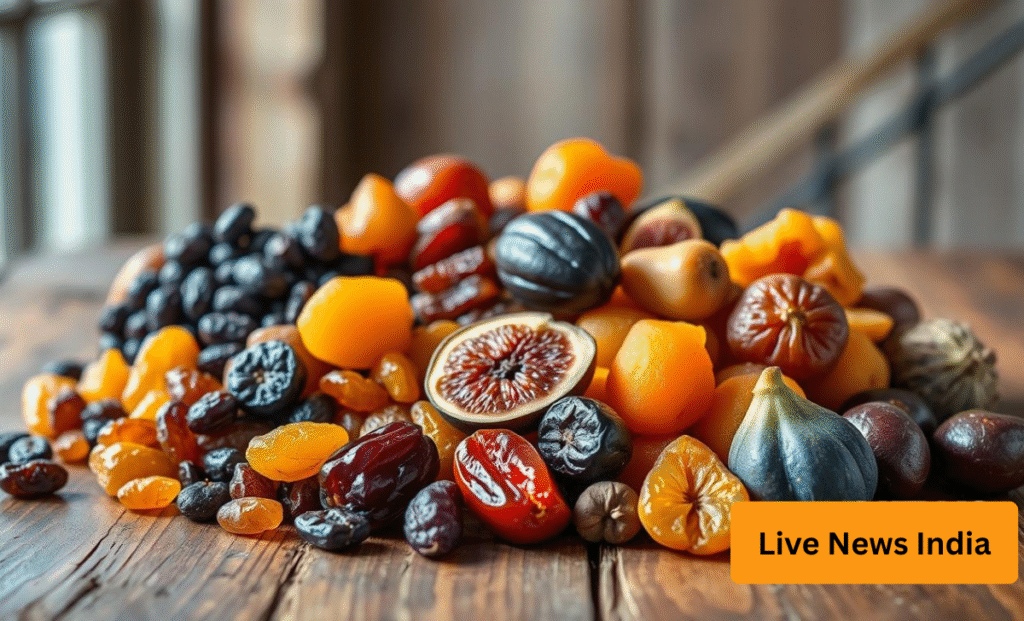
As you explore the world of dry fruits, you’ll discover that they can be a great addition to your weight loss diet when consumed at the optimal time. This section will guide you on how to make the most of dry fruits for effective weight management. Best time to eat dry fruit for weight loss explore all details here scroll down
Also Read



Key Takeaways to best time to eat dry fruit
- Dry fruits are nutrient-dense and can support weight loss.
- Best time to eat dry fruit
- Timing is crucial when consuming dry fruits for weight loss.
- Eating dry fruits at the right time can enhance their benefits.
- A well-planned dry fruit diet can aid in effective weight management.
- Incorporating dry fruits into your diet can be a healthy choice.
Understanding the Role of Dry Fruits in Weight Loss
The nutritional benefits of dry fruits make them an ideal snack for those aiming to lose weight. Dry fruits are rich in fiber, antioxidants, and healthy fats, which are crucial for a successful weight loss diet.
Nutritional Profile of Dry Fruits
Dry fruits are packed with essential nutrients. For instance, almonds are high in protein and healthy fats, while apricots are rich in fiber. Here’s a brief overview of the nutritional profile of some common dry fruits:
| Dry Fruit | Nutrient Content |
| Almonds | High in protein and healthy fats |
| Apricots | Rich in fiber |
| Walnuts | Rich in omega-3 fatty acids |
How Dry Fruits Support Weight Management
Dry fruits support weight management by promoting satiety and providing a natural energy boost. The fiber content in dry fruits helps keep you full for longer, reducing the likelihood of overeating. As Dr. Jane Smith, a nutrition expert, notes, “Incorporating dry fruits into your diet can be a simple yet effective way to manage weight.”
Moreover, dry fruits are a healthy alternative to processed snacks, making them a valuable addition to a weight loss diet. By incorporating a variety of dry fruits into your meal plan, you can reap their nutritional benefits while working towards your weight loss goals.
Best time to eat dry fruit for weight loss
The timing of dry fruit consumption plays a vital role in achieving weight loss goals. Dry fruits are rich in nutrients, fiber, and antioxidants, making them an excellent snack for those looking to lose weight.
Morning Consumption Benefits
Eating dry fruits in the morning can help kickstart your metabolism. For instance, consuming almonds or walnuts with your breakfast can provide a feeling of fullness and reduce the likelihood of overeating later in the day. A study found that individuals who ate almonds for breakfast experienced greater weight loss compared to those who didn’t.
Pre-Workout Energy Boost
Consuming dry fruits like dates or apricots before a workout can provide a natural energy boost. The sugars present in these fruits are easily digestible, making them an ideal pre-workout snack. This can help enhance your exercise performance and support your weight loss journey.
Evening Snacking Guidelines
While it’s generally advised to avoid heavy snacking in the evening, dry fruits can be a healthy exception if consumed in moderation. A small handful of dry fruits like pistachios or raisins can curb late-night cravings and prevent overeating during dinner. However, be mindful of portion sizes to avoid excessive calorie intake.
Time Table For Best time to eat dry fruit
| Time of Consumption | Recommended Dry Fruits | Benefits |
| Morning | Almonds, Walnuts | Boosts metabolism, reduces overeating |
| Pre-Workout | Dates, Apricots | Provides energy, enhances performance |
| Evening | Pistachios, Raisins | Curbs late-night cravings, prevents overeating |
Optimal Portion Sizes of Dry Fruits for Weight Loss
Dry fruits can be a healthy addition to your weight loss diet, but knowing the right portion sizes is essential. While they are rich in nutrients and fiber, they are also high in calories. Consuming them in excess can hinder your weight loss efforts.
You might be wondering how to balance the benefits of dry fruits with the need to manage calorie intake. The key lies in understanding the recommended daily intake and being aware of the signs of overconsumption.
Recommended Daily Intake
The recommended daily intake of dry fruits varies based on factors such as age, activity level, and overall dietary needs. Generally, a serving size of dry fruits is about 1 ounce or a small handful. For most adults, consuming 1/4 to 1/2 cup of mixed dry fruits per day is considered a reasonable amount for weight loss.
| Dry Fruit | Serving Size | Calories |
| Almonds | 1 ounce (23 nuts) | 161 |
| Walnuts | 1 ounce (14 halves) | 185 |
| Dried Apricots | 1/4 cup | 170 |
Signs of Overconsumption
Overconsumption of dry fruits can lead to an excessive calorie intake, potentially causing weight gain instead of loss. Signs that you might be overdoing it include:
- Consuming more than 1/2 cup per day
- Noticing weight gain or plateau
- Experiencing digestive issues due to high fiber intake
Being mindful of these signs and adjusting your intake accordingly can help you reap the benefits of dry fruits while working towards your weight loss goals.

Best Dried Fruits for Weight Loss
For those looking to lose weight, certain dried fruits offer unique benefits that can enhance your weight loss efforts. These dried fruits are not only nutritious but also provide the necessary fiber and antioxidants to support your overall health.
Dried fruits have been a staple in many diets for centuries, providing a concentrated source of energy and nutrients. When it comes to weight loss, some dried fruits stand out for their specific benefits.
Almonds and Weight Management
Almonds are rich in healthy fats and protein, making them an excellent snack for weight management. They help keep you full, reducing the likelihood of overeating.
Walnuts for Satiety
Walnuts are known for their satiating effect due to their high fiber and healthy fat content. Including walnuts in your diet can help manage hunger and support weight loss.
Pistachios and Calorie Control
Pistachios are low in calories and high in fiber, making them an ideal snack for those watching their weight. The act of shelling pistachios also slows down consumption, aiding in portion control.
Dried Berries and Metabolism
Dried berries, such as cranberries and blueberries, are rich in antioxidants and fiber. They can help boost your metabolism and provide a sweet, satisfying snack.
Here’s a comparison of the nutritional benefits of these dried fruits:
| Dried Fruit | Calories per Ounce | Fiber Content | Key Benefit |
| Almonds | 161 | 3.5g | High in healthy fats and protein |
| Walnuts | 185 | 1.9g | Satiating effect |
| Pistachios | 159 | 3g | Low in calories, high in fiber |
| Dried Berries | 170 (varies) | 4g (varies) | Rich in antioxidants |
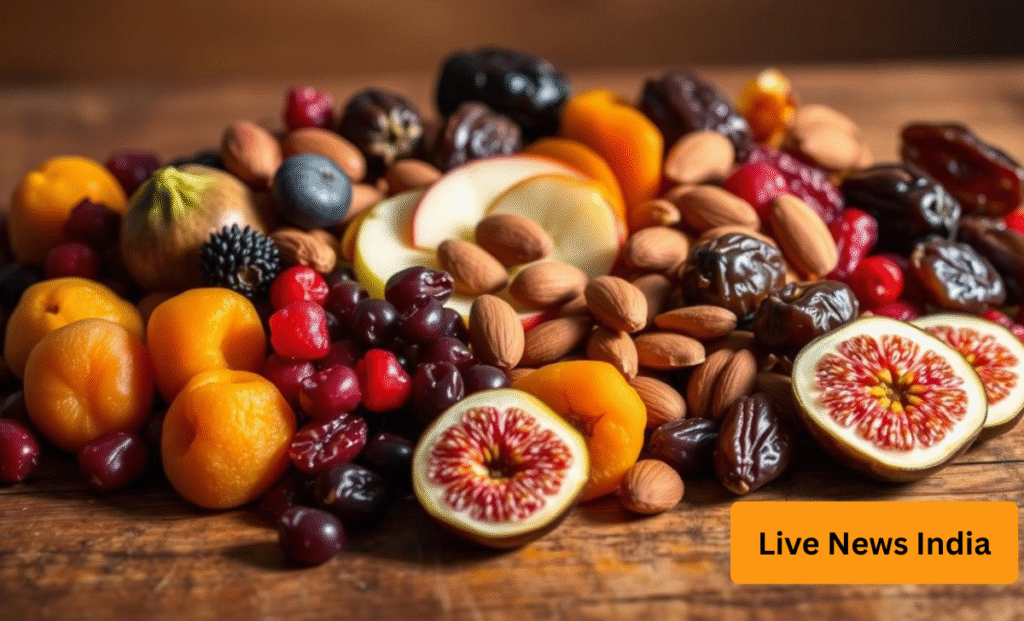
Incorporating these dried fruits into your diet can be a delicious and healthy way to support your weight loss journey. By choosing the right dried fruits, you can enjoy their nutritional benefits while working towards your weight loss goals.
How to Incorporate Dry Fruits into Your Weight Loss Diet
To effectively use dry fruits for weight loss, you need to know how to incorporate them into your daily meals. Dry fruits can add natural sweetness, texture, and a boost of nutrients to your diet.
Healthy Indian Recipes with Dry Fruits
You can incorporate dry fruits into traditional Indian recipes to make them healthier and more nutritious. For example, adding chopped almonds or walnuts to your morning oatmeal or evening yogurt can enhance the nutritional value.
Dry fruits can also be used in making healthy snacks like energy balls or bars.
Combining Dry Fruits with Other Weight Loss Foods
Combining dry fruits with other weight loss-friendly foods can amplify their benefits. For instance, pairing dry fruits with protein-rich foods like nuts or seeds can keep you fuller for longer.
| Dry Fruit | Complementary Food | Benefit |
| Almonds | Oatmeal | Enhanced satiety |
| Walnuts | Greek Yogurt | Increased protein intake |
| Dried Berries | Green Smoothie | Antioxidant boost |
Which Millet is Best for Weight Loss
The nutritional profile of millets makes them an excellent choice for those looking to lose weight. Millets are rich in fiber, protein, and various essential nutrients that support weight management. “Incorporating millets into your diet can lead to significant weight loss benefits,” as noted by nutrition experts.
Nutritional Comparison of Different Millets
Millets vary in their nutritional content, but most are high in dietary fiber and protein. For instance, ragi (finger millet) is rich in calcium and fiber, while bajra (pearl millet) is high in iron and magnesium. A comparison of different millets reveals that each has unique benefits for weight loss.
| Millet Type | Fiber Content | Protein Content |
| Ragi | 8g | 7g |
| Bajra | 11g | 10g |
| Jowar | 9g | 12g |
Top 3 Millets for Weight Management
Based on their nutritional profiles, the top three millets for weight management are:
- Ragi (Finger Millet): High in fiber and calcium, aiding in satiety and bone health.
- Bajra (Pearl Millet): Rich in iron and magnesium, supporting metabolism and energy production.
- Jowar (Sorghum): High in protein and fiber, helping in muscle maintenance and digestive health.
Incorporating these millets into your diet can significantly support your weight loss journey.
Masala Oats: Are They Good for Weight Loss?
You might be wondering if masala oats are a good fit for your weight loss journey. Masala oats can be a flavorful and nutritious breakfast option, potentially aiding in weight management.
To determine their effectiveness, let’s examine the nutritional benefits and differences between homemade and store-bought masala oats.
Nutritional Analysis of Masala Oats
Masala oats are a nutrient-rich food, combining the benefits of oats with various spices. Oats are high in fiber, which can help you feel fuller for longer, potentially reducing overall calorie intake. The addition of spices like turmeric, cumin, and coriander not only enhances flavor but also provides anti-inflammatory benefits. A typical serving of masala oats contains a balance of complex carbohydrates, protein, and healthy fats, making it a satisfying meal.
Homemade vs. Store-Bought Options
When it comes to masala oats, the choice between homemade and store-bought options can significantly impact their nutritional value. Homemade masala oats allow you to control the amount of salt, sugar, and oil used, making it easier to keep the dish healthy. You can also customize the spices to your taste. On the other hand, store-bought masala oats may contain added preservatives, salt, and sugar, which can detract from their nutritional benefits. If you prefer store-bought, look for options with minimal ingredients and no artificial additives.
Upma and Its Benefits for Weight Loss
Upma is not just a comforting breakfast option; it can also support your weight loss journey. This traditional Indian dish is made from semolina or rava and can be adapted in various ways to suit a weight loss diet.
Traditional vs. Modified Weight-Loss Upma Recipes
Traditional upma recipes often include ingredients like oil or ghee, which can be high in calories. However, you can modify these recipes to make them more weight-loss friendly. By incorporating vegetables and using minimal oil, you can create a nutritious and filling breakfast.
Healthy Modifications for Weight Loss
To make upma more suitable for weight loss, try using less oil and adding plenty of vegetables like carrots, peas, and beans. You can also experiment with spices to enhance flavor without adding calories.
Best Time to Consume Upma
For optimal weight loss benefits, consider having upma for breakfast. It provides sustained energy and can help curb mid-morning cravings. Additionally, you can have a small serving of upma as an evening snack to keep your hunger pangs in check.

Weight Loss Biscuits: Do They Work?
You might have come across various weight loss biscuits claiming to aid in your weight loss journey. These biscuits often promise to help reduce hunger, increase metabolism, or provide a feeling of fullness. But do they really work?
Analyzing Commercial Weight Loss Biscuits
Commercial weight loss biscuits often contain a mix of ingredients such as fiber, protein, and various herbs that are believed to aid in weight loss. Some key ingredients to look out for include glucomannan, green tea extract, and conjugated linoleic acid (CLA). However, the effectiveness of these biscuits can vary greatly depending on the ingredients and their quantities. It’s also important to be aware of potential side effects and allergens.
- Check the ingredient list for scientifically-backed components.
- Be wary of biscuits with excessive sugar or artificial additives.
- Consider the calorie count and how it fits into your daily diet.
Healthy Homemade Alternatives
Creating your own weight loss biscuits at home can be a healthier and more cost-effective option. You can control the ingredients and tailor them to your dietary needs. Oats, nuts, and dried fruits are excellent bases for healthy biscuits. By baking your own biscuits, you can avoid preservatives and additives found in commercial products.
- Choose whole grains like oats or almond flour.
- Add nuts or seeds for a boost of healthy fats and protein.
- Use natural sweeteners like honey or stevia.
Best Time to Drink Buttermilk for Weight Loss
Buttermilk is a nutritious beverage that has been consumed for centuries, and its benefits extend to weight management. You can leverage its nutritional benefits to support your weight loss goals by understanding when to consume it.
Benefits of Buttermilk for Weight Management
Buttermilk is rich in probiotics, which can improve gut health and enhance digestion. It is also low in calories and rich in nutrients, making it an ideal beverage for those looking to lose weight. The calcium content in buttermilk can also help in regulating fat cells.
Optimal Consumption Schedule
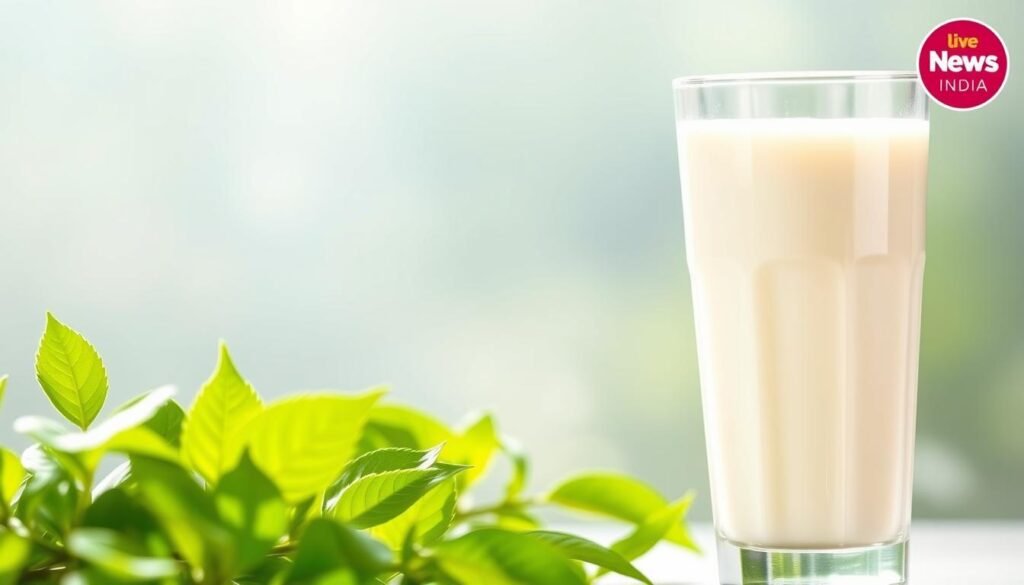
Drinking buttermilk after meals can aid in digestion and prevent bloating. Consuming it before bedtime can help in relaxation and improve sleep quality, which is crucial for weight management. You can also have it as a mid-meal snack to curb unnecessary cravings.
| Consumption Time | Benefits |
| After Meals | Aids in digestion, prevents bloating |
| Before Bedtime | Promotes relaxation, improves sleep quality |
| As a Mid-Meal Snack | Curbs unnecessary cravings |
Dashmularishta for Weight Loss: Traditional Ayurvedic Approach
Dashmularishta, an Ayurvedic tonic, has been used for centuries to support weight management and overall well-being. This traditional Ayurvedic medicine is formulated from a blend of herbs that are known for their health benefits.
Understanding Dashmularishta and Its Ingredients
Dashmularishta is a polyherbal formulation that includes a mix of ten roots, hence the name ‘Dashmula’ meaning ‘ten roots’. The ingredients are carefully selected for their properties that aid in digestion, reduce inflammation, and promote overall health. Some of the key ingredients include:
- Asparagus racemosus (Shatavari)
- Desmodium gangeticum (Salaparni)
- Uraria picta (Prasparni)
- Phaseolus trilobus (Mudgaparni)
- Teramnus labialis (Mashaparni)
| Ingredient | Properties |
| Asparagus racemosus (Shatavari) | Aids in digestion and nourishes the body |
| Desmodium gangeticum (Salaparni) | Reduces inflammation and promotes healing |
| Uraria picta (Prasparni) | Supports overall health and well-being |
How to Use It Effectively for Weight Management
To use Dashmularishta effectively for weight loss, it is recommended to consume it as directed by an Ayurvedic practitioner. Typically, it is taken after meals to aid digestion and support weight management. The dosage may vary based on individual health needs and goals.
By incorporating Dashmularishta into your weight loss plan, you can potentially benefit from its traditional Ayurvedic properties that support overall health and well-being.
Conclusion: Creating a Balanced Indian Weight Loss Plan
A successful weight loss journey involves adopting a balanced weight loss plan that incorporates nutritious foods and traditional Indian dishes in a healthy way. You can achieve your weight loss goals by making informed choices about your diet.
Incorporating dry fruits, millets, and other nutrient-dense foods into your Indian weight loss diet can help you stay on track. By understanding the best time to consume these foods and controlling portion sizes, you can create a sustainable weight loss plan.
As you strive for a healthier lifestyle, remember that a balanced diet is just the beginning. Combine your dietary efforts with regular physical activity and a mindful approach to eating, and you will be on your way to achieving your weight loss goals.
FAQ Related To Best time to eat dry fruit , which millet is good for weight loss
What is the Best time to eat dry fruit for weight loss?
Eating dry fruits in the morning or as a pre-workout snack can be beneficial for weight loss, as they provide a natural energy boost and help keep you full until your next meal.
Which millet is good for weight loss?
Millets like Ragi, Jowar, and Bajra are high in fiber and protein, making them beneficial for weight management. They help keep you full and support healthy digestion.
Are masala oats good for weight loss?
Masala oats can be a healthy breakfast option for weight loss if made with minimal oil and spices. However, store-bought masala oats may contain added sugars and preservatives, so it’s best to opt for homemade versions.
Is upma good for weight loss?
Upma can be a healthy breakfast option for weight loss if prepared with minimal oil and loaded with vegetables. Modified upma recipes with added protein and fiber can enhance its weight loss benefits.
What is the best dried fruit for weight loss?
Dried fruits like almonds, walnuts, and pistachios are rich in healthy fats and fiber, making them a nutritious snack for weight loss. Dried berries are also beneficial due to their high antioxidant content and low calorie count.
Do weight loss biscuits work?
Commercial weight loss biscuits may not be effective for everyone, as their ingredients and nutritional content vary. Healthy homemade alternatives made with whole grains and minimal sugar can be a better option.
What is the best time to drink buttermilk for weight loss?
Drinking buttermilk after meals or before bedtime can aid in weight loss, as it helps with digestion and can promote a feeling of fullness.
How can Dashmularishta aid in weight loss?
Dashmularishta is an Ayurvedic tonic that is believed to aid in weight management by improving digestion and reducing inflammation. However, its effectiveness may vary from person to person, and it should be used under the guidance of a healthcare professional.
