Why Is My Dog Limping : If your dog starts limping, it can be scary. Limping usually means something is hurting or bothering your dog’s leg. Sometimes it’s a small issue, like a tiny cut. Other times, it can be something more serious. This guide explains everything in a simple, middle‑school reading level so you can understand what’s going on and help your dog quickly.
Common Reasons Why Dogs Limp
1. Small Injuries or Sprains
Dogs can twist their legs while running, jumping, or playing. This can cause a mild sprain that makes them limp for a little while.
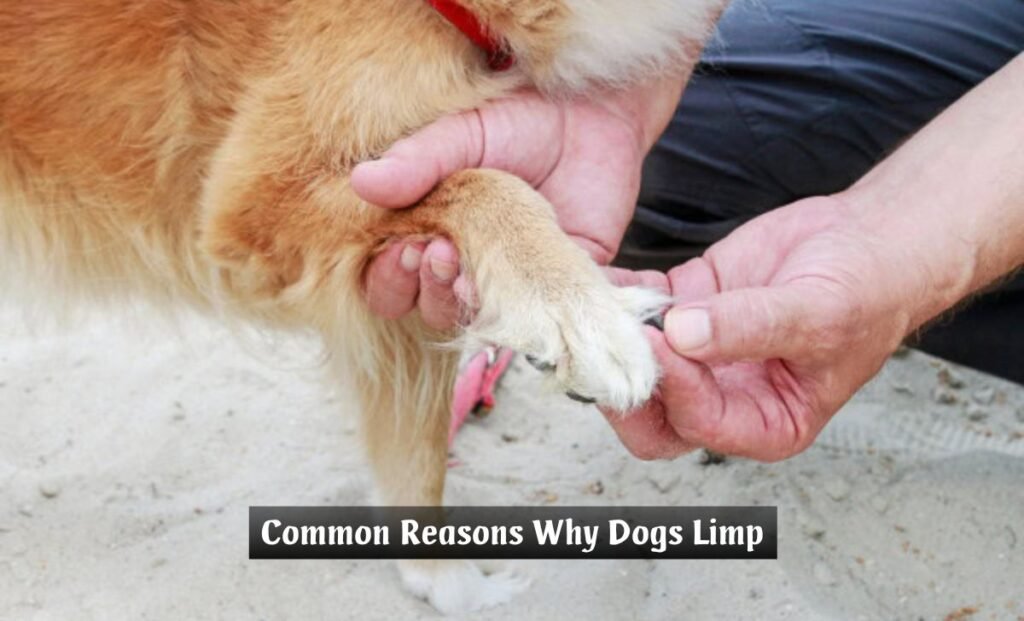
2. Cuts or Something Stuck in the Paw
A small cut, a thorn, or even a tiny stone stuck in the paw can make walking painful. Checking the paw is often the best first step.
Also Read



3. Broken Bones
If your dog has a broken bone, they will avoid putting weight on that leg. They may also yelp or cry if you touch the area.
4. Arthritis or Joint Pain
Older dogs often limp because their joints become stiff or sore. This can be worse in cold weather or after they wake up.
5. Hip or Knee Problems
Some breeds have issues like hip dysplasia or loose kneecaps. These can cause limping, especially while walking or running.
6. Infections or Swelling
Bites, infections, or swelling in the paw or leg can make it painful for dogs to walk normally.
7. Too Much Activity
Sometimes dogs play or run too much and strain their muscles, leading to short‑term limping.
How to treat a limping dog at home – How to Check Your Dog at Home
- Look at the paw for cuts, thorns, or anything stuck.
- Gently feel the leg to see if your dog reacts to pain.
- Check for broken or overgrown nails.
- Think about what your dog did that day — running, jumping, or falling.
- Watch how your dog walks to see if the limp is light or serious.
Never force the leg to move if your dog is clearly in pain.
When to Take Your Dog to the Vet
Go to the vet right away if:
- Your dog cannot put any weight on the leg.
- There is swelling, bleeding, or a clear injury.
- The limp lasts longer than 24–48 hours.
- Your dog cries when the leg is touched.
- The limp happens after a fall or accident.
Treatment Options
● Home Care for Mild Problems
- Make your dog rest for one or two days.
- Use a cold pack on swollen areas.
- Stop your dog from running or jumping for a while.
● Vet Treatment
A vet may recommend:
- Pain medicine
- An X‑ray or exam
- Bandages or splints
- Medicine for infections
- Surgery (only if needed)
How to Prevent Limping
- Keep your dog’s nails trimmed.
- Don’t let puppies play too hard.
- Ask your vet about joint supplements.
- Make sure your dog’s play area is safe.
- Keep your dog at a healthy weight.
Read this also – Why Is My Dog Limping
Limping in dogs can happen for many reasons. Some issues are small, while others need a vet’s help. By checking your dog carefully and acting quickly, you can help them feel better sooner. If the limping doesn’t improve, always take your dog to a vet — it’s the safest choice for your pet’s health.
Article End Here
Go To News Feed Click Here
